

Basque Organ Music
Explore our organ music collection: Organ music CDs • Printed organ scores • Downloadable sheet music • Downloadable music recordings
Romantic Organ Heritage of the Basque Country and Navarre
The Basque Country and Navarre regions in northern Spain preserve one of the world’s most significant collections of romantic-era organs. This exceptional musical heritage spans from 1856 to 1941, featuring instruments from legendary European builders alongside notable Spanish organ makers.
French masters like Aristide Cavaillé-Coll, Mutin, and Merklin installed instruments throughout the territory, particularly in Gipuzkoa province. They were joined by German builder Walcker and Spanish artisans including Aquilino Amezua, Eleizgaray, and Dourte. This convergence created a unique organ-building tradition that culminated with the neoclassical organs of OESA (Organería Española) in Azpeitia.
This rich instrumental landscape nurtured generations of composers, beginning with Navarrese master Felipe Gorriti who pioneered the transition from Baroque to Romantic styles around 1880.
-
 Marcha Fúnebre en Fa menor – Felipe Gorriti
 -
 Zortziko de San Juan – Eduardo Mocoroa – Partitura PDF
 -
 Legend – Aita Madina
 -
 CANCIÓN Y PROCESIONAL – AITA MADINA
 -
 7 eresi organorako – 7 piezas para órgano – Aita Madina
 -
 Mesias sarritan – Bartolomé de Ercilla – Partitura completa pdf
 -
 Largo – José María González Bastida
 -
 Toccata – Aita Madina
 -
 Preludio y Fuga en Re menor – Ignacio Mocoroa
Transition from Baroque to Romantic Traditions
While the first romantic organs arrived in Spain during the 1850s, Baroque-style instruments continued to be built well into the early 20th century. This edition includes works representing this transitional period, composed for instruments gradually incorporating romantic features while retaining some Baroque characteristics.
Featured composers include:
- Joaquín de Oxinaga (1719-1789): Representing the Spanish Baroque organ tradition with his intentos and fugues composed for single-manual instruments with divided registers.
- Works from Música de Tecla en el País Vasco. Siglo XVIII: Transcribed by Father Donostia, these pieces showcase the gallant style suitable for both organ and harpsichord.
- Nicolás Ledesma (1791-1883): His Sonata in D minor exemplifies music for «organ or piano» during the late Baroque transition.
- Hilarión Eslava (1807-1878): A pivotal figure who composed for Baroque instruments while actively promoting romantic organ construction in Spain.
- Felipe Gorriti (1839-1896): The central figure in Spain’s transition to romantic organ music, winning multiple Parisian competition prizes in the 1880s.
-
 Ziortzako Organoa – Benantzi Bilbao
 -
 daArus091 – THE ART OF JOSE MANUEL AZKUE – 1
 -
 La música popular baskongada – AZKUE – EUSKAL MUSIKA HERRIKOIA
 -
 XVIII mendeko euskal tekladurako musika – Música vasca para tecla del s XVIII
 -
 Monográfico Bach – Aitor Olea – Santa Mónica de Begoña
 -
 EL ÓRGANO AQUILINO AMEZUA DE GAUTEGIZ-ARTEAGA – Joxe Benantzi Bilbao
 -
 Euskal organorako musika – Maria Dolores Oteiza
 -
 Julian Sagasta gogoan – Aitor Olea
 -
 Txistu eta organorako musika – Tomas Garbizu – Polentzi Gezala – Mari Koro Saenz
Characteristics of the Basque-Navarrese Organ School
Analysis reveals distinct features defining this regional compositional tradition:
- Instrumental Adaptation: Works composed primarily for romantic or romantic-influenced organs built between 1856-1940.
- Liturgical Focus: Strong influence of Pope Pius X’s 1903 Motu Proprio, with frequent use of Gregorian themes alongside Basque folk melodies.
- Composer Backgrounds: Approximately half were priests or religious order members; most secular composers served as church organists or chapel masters.
- Aesthetic Priorities: Emphasis on spiritual depth over technical virtuosity, with careful attention to form, harmonic elegance, and melodic expression.
- Pedagogical Networks: Strong local training through master-disciple relationships, often supplemented by studies at Madrid Conservatory.
- Stylistic Diversity: Influences ranging from Romanticism and Wagnerian harmony to Impressionism and emerging polytonality.
- Recognition: Many works awarded prizes in Paris, San Sebastián, Valencia, and other European competitions.

Conclusion: An Autonomous School of Organ Composition
The concentration of organ composers from this geographical area, their shared aesthetic principles, and the historical continuity of their work over two centuries support recognizing a distinct Basque-Navarrese school of romantic organ composition. While sharing traits with broader Spanish traditions, this school developed unique characteristics that provide significant aesthetic and historical coherence.
Featured Composers
Joaquín de Oxinaga (1719-1789)
Bilbao-born organist of Toledo Cathedral. His works include fugues, sonatas, and the notable Intento en Sol, representing Spanish Baroque keyboard tradition.
-
Ziortzako Organoa – Benantzi Bilbao
-
XVIII mendeko euskal tekladurako musika – Música vasca para tecla del s XVIII
-
EL ÓRGANO AQUILINO AMEZUA DE GAUTEGIZ-ARTEAGA – Joxe Benantzi Bilbao
-
 2 minuetos – Joaquín de Oxinaga (1719-1789) – Arr.: José de Azpiazu
 -
 Intento en Sol m Joaquin de Oxinaga (1719_1789)
 -
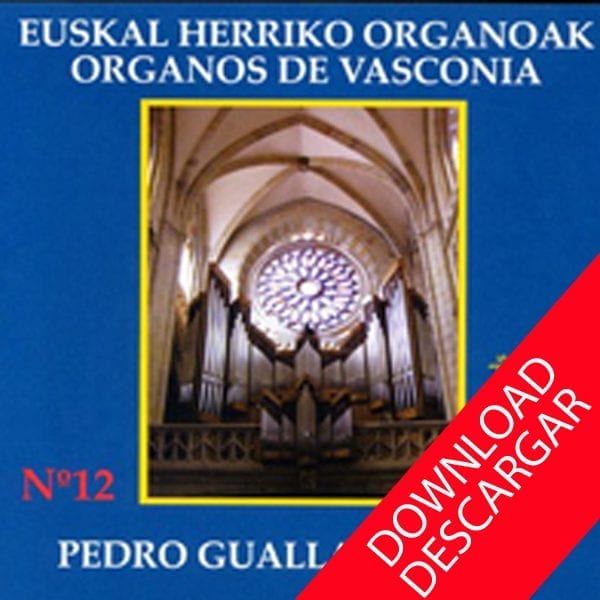 Órgano de la Catedral de Bilbao – Pedro Guallar
 -
 Órgano Catedral de Bilbao
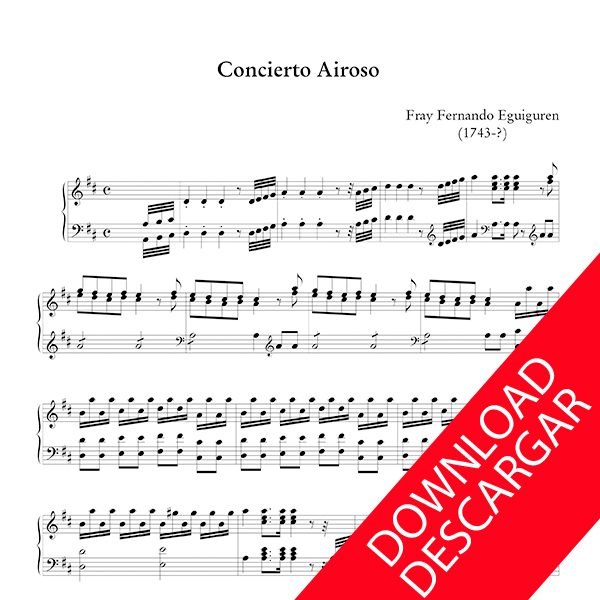
Fray Fernando Eguiguren (1743-?)
Franciscan monk from Eibar. His Concierto Airoso exemplifies the gallant style suitable for both organ and harpsichord.

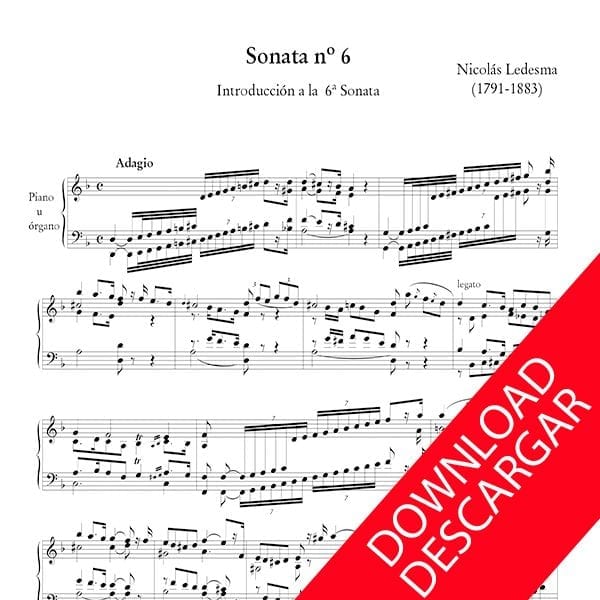
Nicolás Ledesma García (1791-1883)
Prolific composer and Bilbao Basilica organist. Created extensive sacred works and sonatas for late Baroque/transitional organs.


Hilarión Eslava y Elizondo (1807-1878)
Navarrese composer and Madrid Conservatory director. Championed organ reform while composing for existing Baroque instruments.


Felipe Gorriti y Osambela (1839-1896)
Central figure in Spain’s transition to romantic organ music. Won seven Parisian competition prizes while serving as Tolosa’s chapel master.
-
Marcha Fúnebre en Fa menor – Felipe Gorriti
-
 Eslava – Gorriti – Obras para órgano
 -
 Loli Ordoki, kantuz
 -
 Lamentaciones – Erostak – Felipe Gorriti
 -
 Javier Bello-Portu, organista
 -
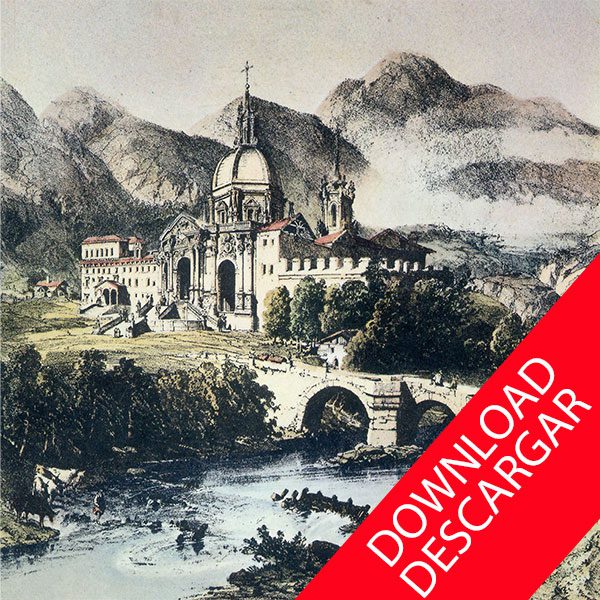 La Misa romántica en Gipuzkoa – Grabación
 -
 Miserere Mei – Felipe Gorriti
 -
 Agur Jesusen Ama – Felipe Gorriti
 -
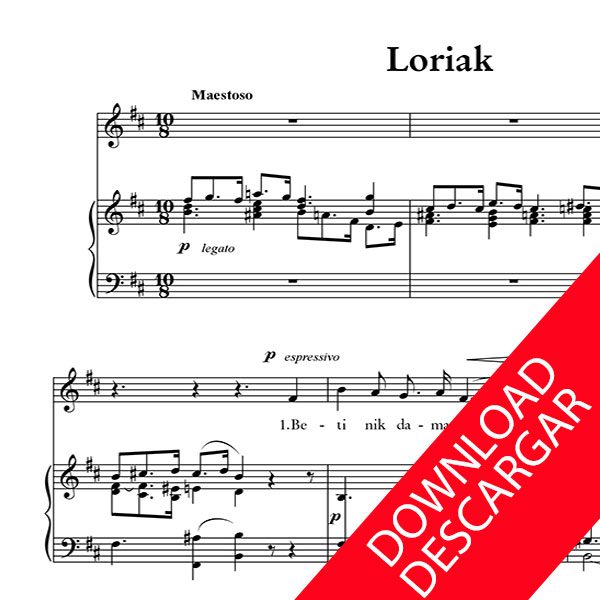 Loriak – Felipe Gorriti – Letra: Bilintx
Eduardo Mocoroa Arbilla (1867-1959)
Gorriti’s successor in Tolosa. Composed extensively for liturgy following Pius X’s Motu Proprio while incorporating Basque themes.
-
 Bizkaia Maite
 -
Zortziko de San Juan – Eduardo Mocoroa – Partitura PDF
-
 Órgano de Santa María de Tolosa – Mocoroa – Esteban Elizondo
 -
Javier Bello-Portu, organista
-
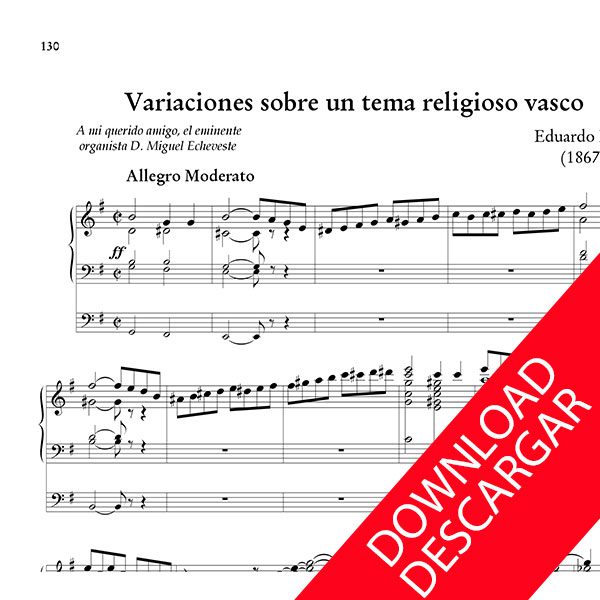 Variaciones para órgano sobre un tema religioso vasco en sol M – Eduardo Mocoroa
 -
 Ofertorio en La b M – Eduardo Mocoroa
 -
 Introducción y Fuga – Eduardo Mocoroa
Martín Rodríguez Seminario (1871-1961)
Self-taught composer and Balmaseda organist. Produced approximately 30 organ works published internationally.
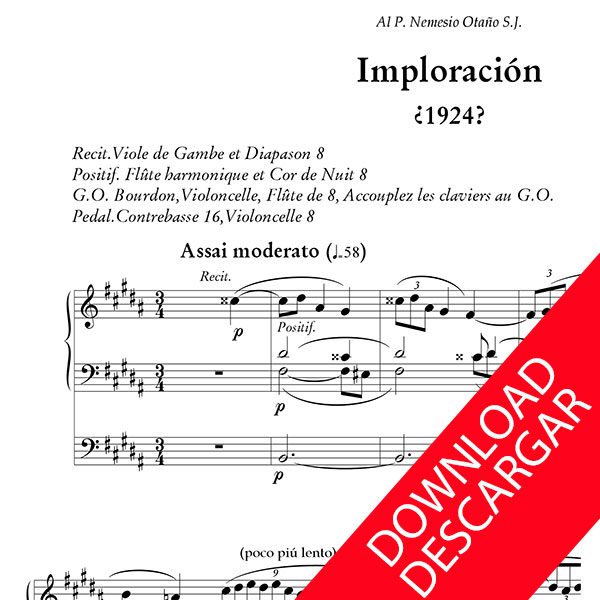
Nemesio Otaño S.J. (1880-1956)
Jesuit composer and National Conservatory director. Key figure in 20th-century Spanish sacred music reform.


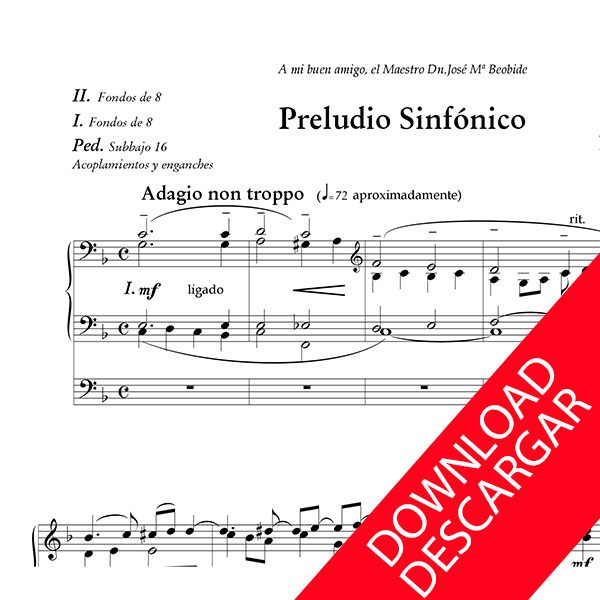
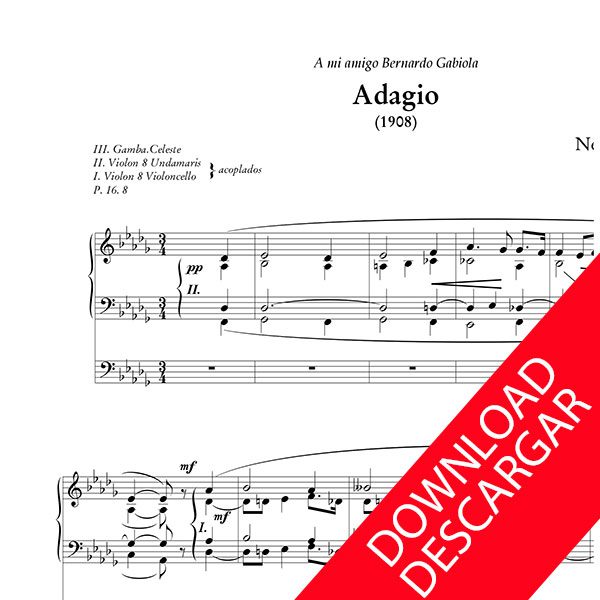

Bernardo Gabiola Laspita (1880-1944)
Brussels-trained virtuoso and Madrid Conservatory professor. His seven organ works display advanced technical demands.

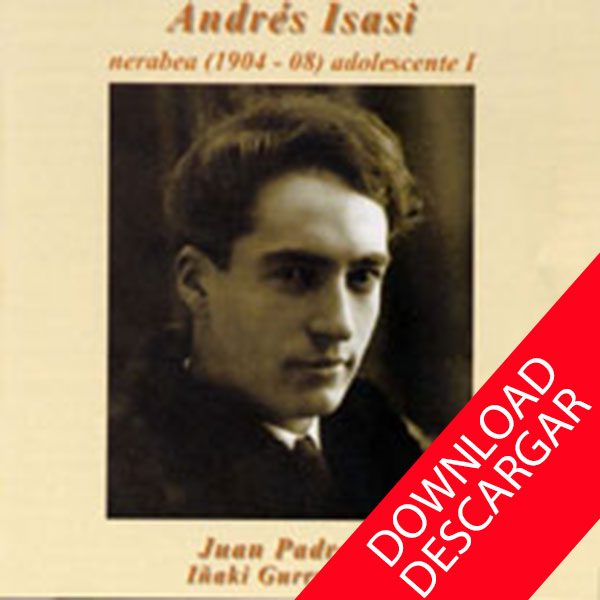
Andrés Isasi Linares (1880-1940)
His organ output includes works from his 1930 Mass in F, representing late Romanticism with nationalist elements.
José Maria Beobide Goiburu (1882-1967)
International composer with works published in the US and Europe. Teacher of Antonio José and Father Madina.


Luis Urteaga Iturrioz (1882-1960)
Prolific composer of nearly 90 organ works. Known for Gregorian-based compositions and pedagogical influence.
-
 Txistu hotsak – Yoku taldea
 -
 XXth Cent BASQUE ORGAN MUSIC 2 – Aitor Olea
 -
 XXth Century Basque Organ Music 1 – Aitor Olea
 -
 Errimiña – Cantos de Lejanía y Retorno
 -
 El arte de José Manuel Azcue
 -
 PASTORAL en forma de canon – Luis Urteaga
 -
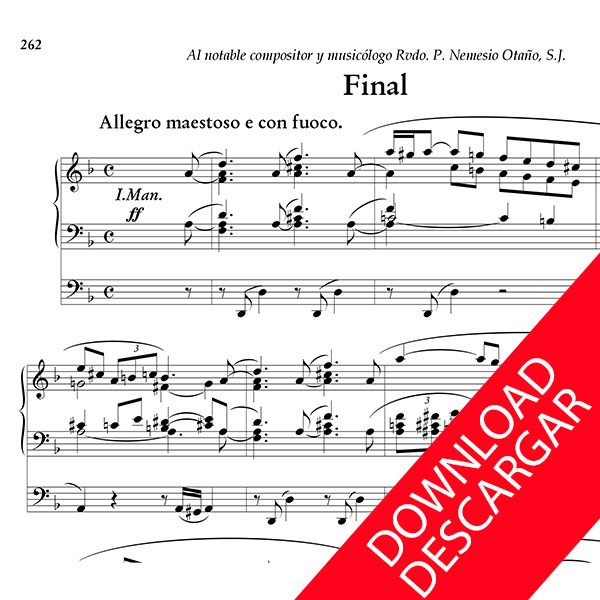 Final – Luis Urteaga
 -
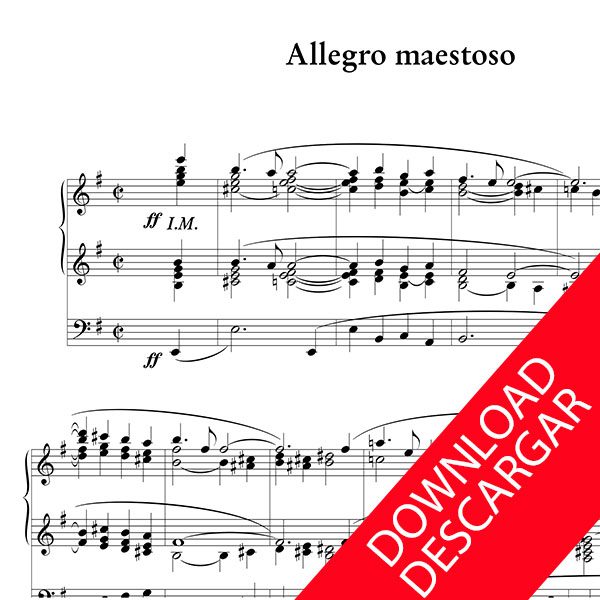 Allegro maestoso – Luis Urteaga
 -
 Fantasía Religiosa – Luis Urteaga
Fray Tomás de Elduayen (1882-1953)
Capuchin monk with over 70 organ works. Developed impressionistic style occasionally venturing into polytonality.
José de Olaizola y Gabarain (1883-1969)
San Sebastián Basilica organist. Mastered romantic organ sonorities in his limited but refined output.
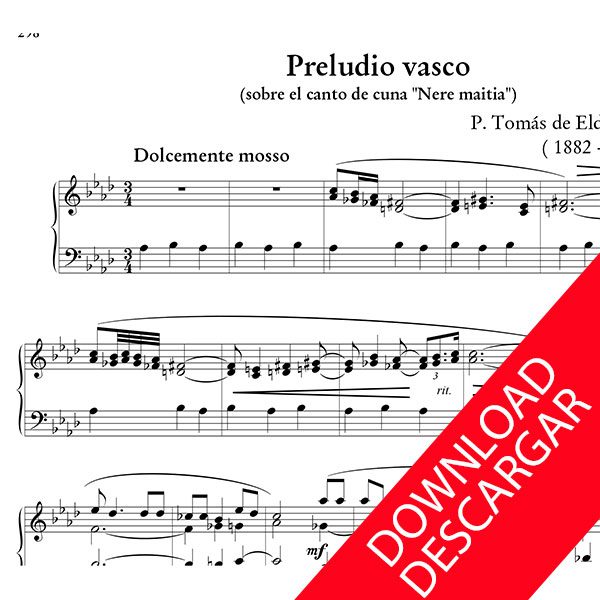


Fray José Antonio de San Sebastián (Aita Donostia) (1886-1956)
Ethnomusicologist and composer influenced by Tournemire. Approximately 30 organ works emphasizing Gregorian themes.
-
XVIII mendeko euskal tekladurako musika – Música vasca para tecla del s XVIII
-
Txistu hotsak – Yoku taldea
-
 Irulea – Aita Donostia – Transcripción para Guitarra – Eduardo Baranzano
 -
 HIZPIDE – SYNAULIA TRIO
 -
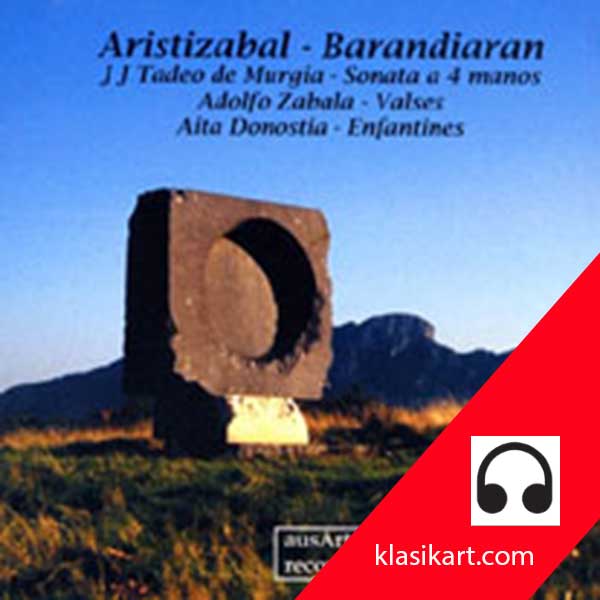 Música vasca para PIANO a CUATRO MANOS – Duo Aristizabal – Barandiarán
 -
Loli Ordoki, kantuz
-
 Belenen sortu zaigu
 -
 Euskal amodiozko kantak
 -
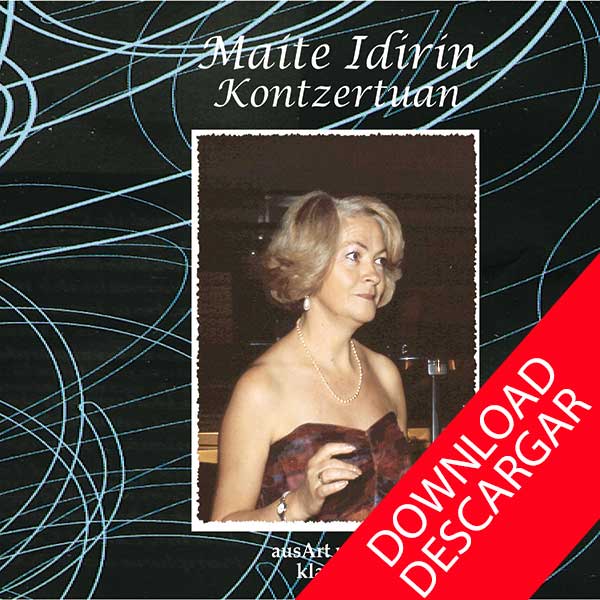 MAITE IDIRIN KONTZERTUAN – EUSKAL ABESTIAK
Jesús Guridi Bidaola (1886-1961)
Key 20th-century Spanish composer. His Tríptico del Buen Pastor (1953) is considered Spain’s most important 20th-century organ work.
-
Txistu hotsak – Yoku taldea
-
Euskal organorako musika – Maria Dolores Oteiza
-
 JATORKI Abots zurizko otxotea
 -
MAITE IDIRIN KONTZERTUAN – EUSKAL ABESTIAK
-
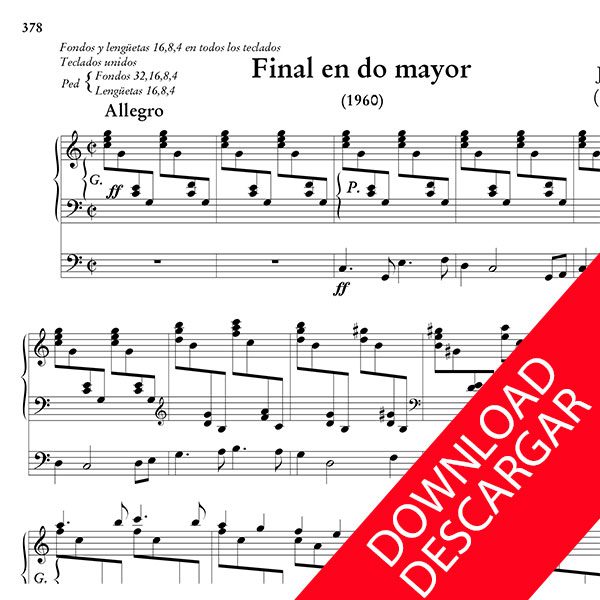 Final en Do M – Jesús Guridi
 -
 Variaciones sobre un tema vasco – Jesús Guridi
 -
 Interludio en Mi b Mayor – Jesús Guridi
 -
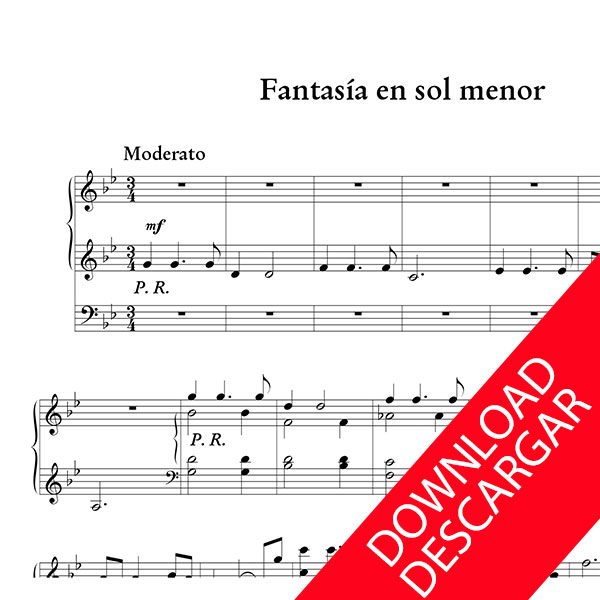 Fantasía en sol m – Jesús Guridi
 -
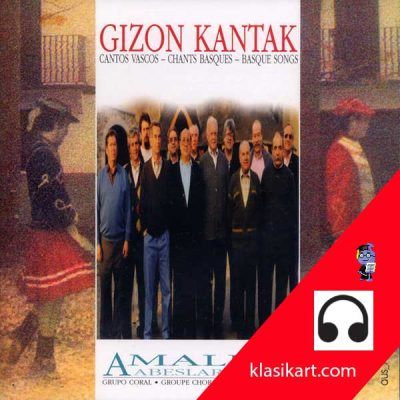 Gizon kantak – Coros de hombres – Ama Lur abesbatza
José Maria Usandizaga y Soraluce (1887-1915)
Paris-trained composer. Limited but refined organ output reflecting French harmonic sophistication.
-
Txistu hotsak – Yoku taldea
-
XXth Cent BASQUE ORGAN MUSIC 2 – Aitor Olea
-
 LA MÚSICA DE ÓRGANO DE JOSÉ MARÍA USANDIZAGA – Aitor Olea
 -
Loli Ordoki, kantuz
-
Belenen sortu zaigu
-
Javier Bello-Portu, organista
-
La Misa romántica en Gipuzkoa – Grabación
-
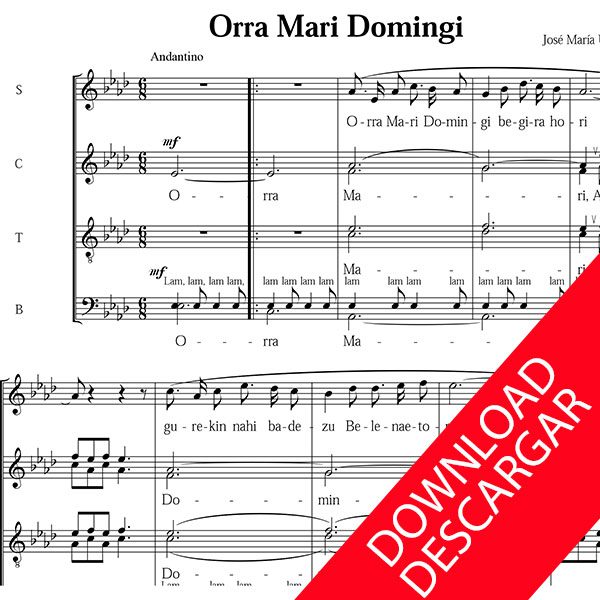 Orra Mari Domingi – José María Usandizaga
 -
 Fantasía – José María Usandizaga
Eduardo Gorosarri Maiztegui (1889-1947)
Priest-organist with Belgian training. Approximately 30 small-format works often based on Basque themes.

Miguel Echeveste Arrieta (1893-1962)
Paris-trained virtuoso concert organist. His Magnificat displays characteristic technical demands.
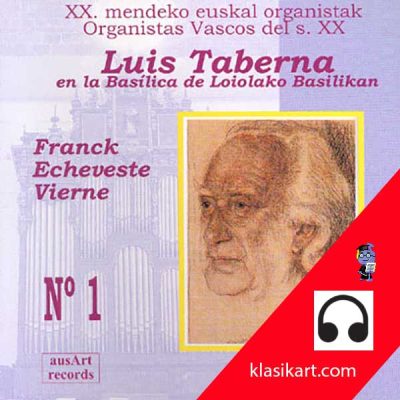
Víctor Zubizarreta Arana (1899-1970)
Bilbao Conservatory director. Numerous unpublished organ works frequently employing Basque popular themes.
-
Euskal organorako musika – Maria Dolores Oteiza
-
 O Eguberri gaua! – Betiko Gabon kantak – Villancicos vascos
 -
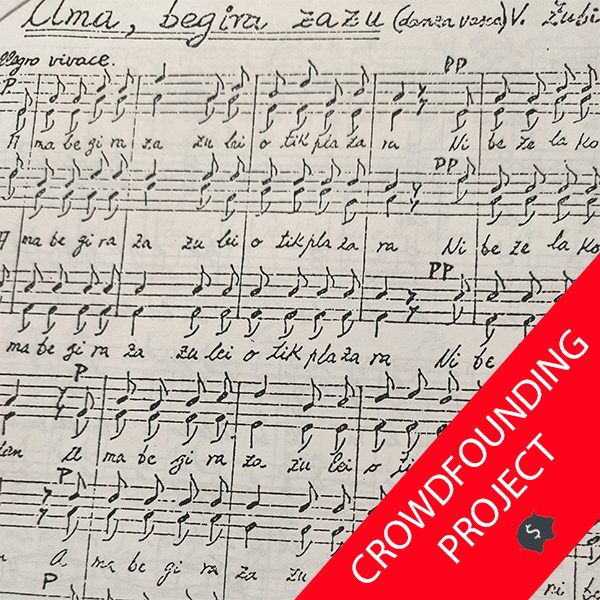 Ama begira zazu – Victor Zubizarreta
 -
 Bergarako San Pedroko Stoltz Fréres organoa – Pedro Guallar
 -
XXth Century Basque Organ Music 1 – Aitor Olea
-
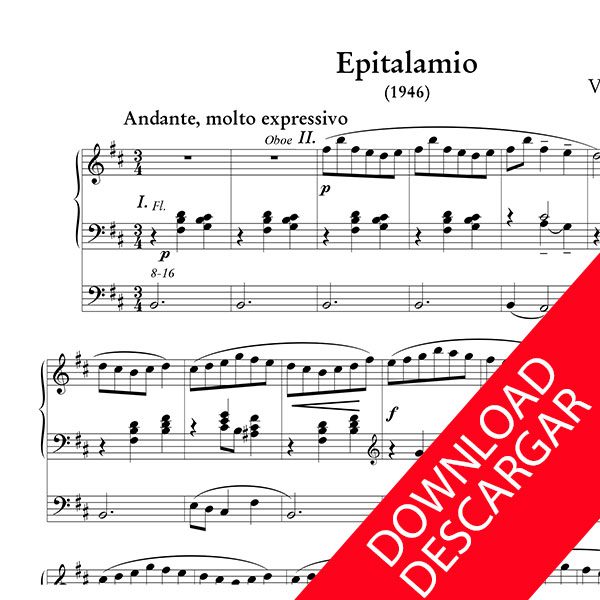 Epitalamio – Victor de Zubizarreta
 -
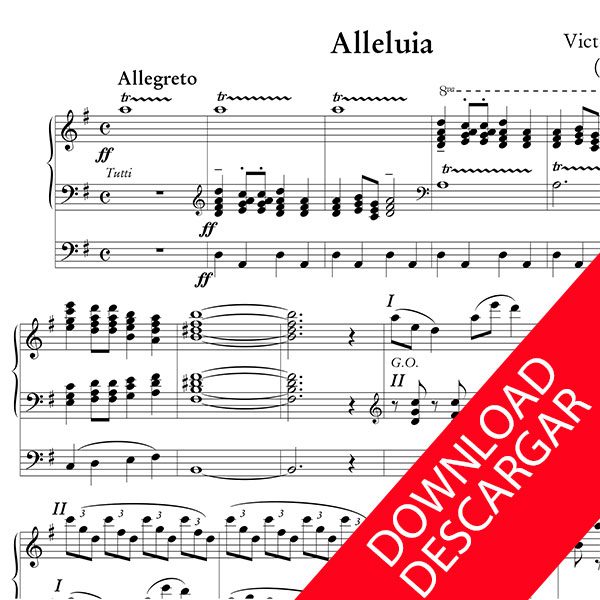 Alleluia – Victor de Zubizarreta
 -
Gizon kantak – Coros de hombres – Ama Lur abesbatza
Tomás Garbizu Salaberria (1901-1989)
Prolific self-taught composer. Significant organ output blending Gregorian and Basque elements.
-
Bizkaia Maite
-
 Cantos y bailes tradicionales vascos para piano – Tomás Garbizu
 -
 3 siglos de – FANDANGO – 3 mendetan
 -
Txistu eta organorako musika – Tomas Garbizu – Polentzi Gezala – Mari Koro Saenz
-
XXth Cent BASQUE ORGAN MUSIC 2 – Aitor Olea
-
 Abestiak – Canciones – Tomás Garbizu
 -
Loli Ordoki, kantuz
-
Errimiña – Cantos de Lejanía y Retorno
-
 Piano musika 2 – Tomás Garbizu
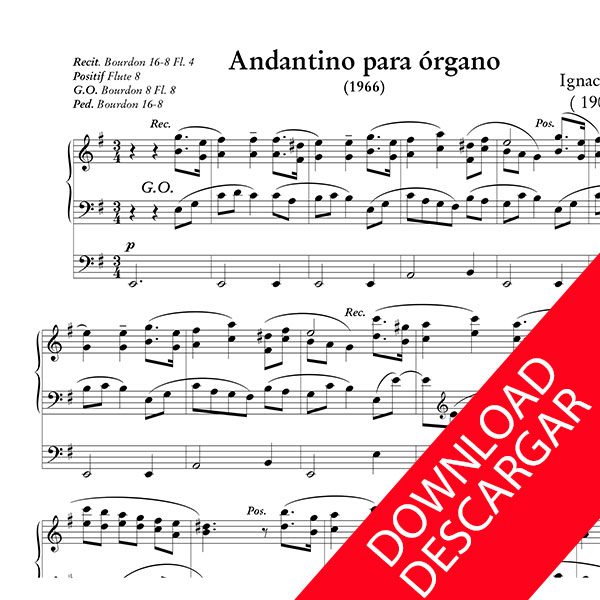
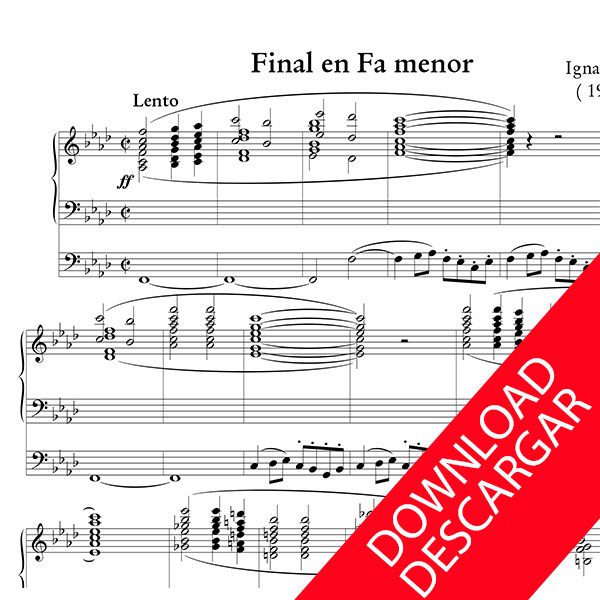
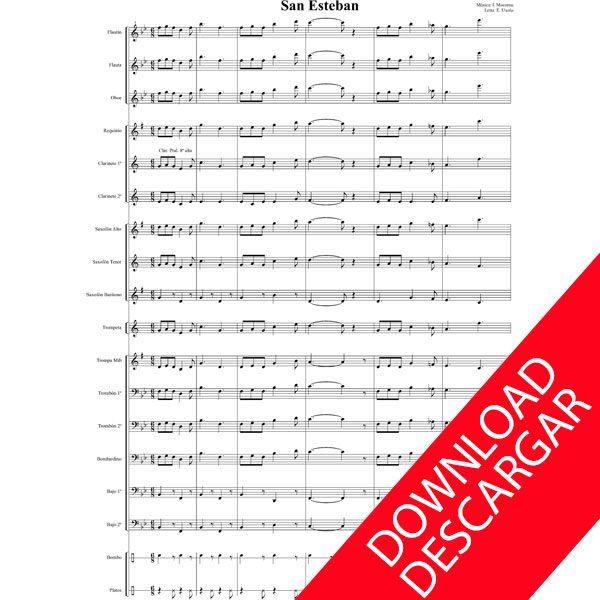
Ignacio Mocoroa Damborenea (1902-1989)
Successor to his father Eduardo in Tolosa. Ten imaginative works perfectly adapted to romantic organs.
Francisco de Madina (1907-1972)
Globally influenced composer with fresh, original style. Most organ works remain unpublished.
-
 BdB dúo – Bordes – Ravel – Infante – Madina – Iglesias
 -
 Txantxikukeriak – Piezas de piano para principiantes – Aita Madina
 -
 Ochotes de Aita Madina – Otxoteak – Ozenki
 -
 Danza para piano – Aita Madina
 -
 Zortziko para piano – Aita Madina
 -
Legend – Aita Madina
-
CANCIÓN Y PROCESIONAL – AITA MADINA
-
 El pájaro y la gruta – Aita Madina
 -
7 eresi organorako – 7 piezas para órgano – Aita Madina
Complete Collection
Explore all works curated by Esteban Elizondo Iriarte
- Tocata y Fuga en Do M Johann Pachelbel (1635-1706)
- Sonata de 5º tono Joaquín de Oxinaga (1719-1789)
- Paso de octavo tono Joaquín de Oxinaga (1719-1789)
- Passacaglia en Re menor Dietrich Buxtehude (1637-1707)
- «Valet will ich dir geben» BWV 736 Bach (1685-1750)
- «Nun komm, der Heiden Heiland» BWV 659 Bach (1685-1750)
- «Nun freut euch, lieben Christen g´mein» BWV 734 Bach (1685-1750)
- Toccata y Fuga en Re menor, BWV 565 Bach (1685-1750)
- «Christum wir sollen loben schon», BWV 611 Bach (1685-1750)
- «Gelobet sei´st du, Jesu Christ» Bach (1685 – 1750)
- Preludio y Fuga en Re menor Félix Mendelssohn (1809-1847)
- Sonatina en Si bemol Mayor Nicolás Ledesma (1791-1889)